Article: Why Elgin Matters
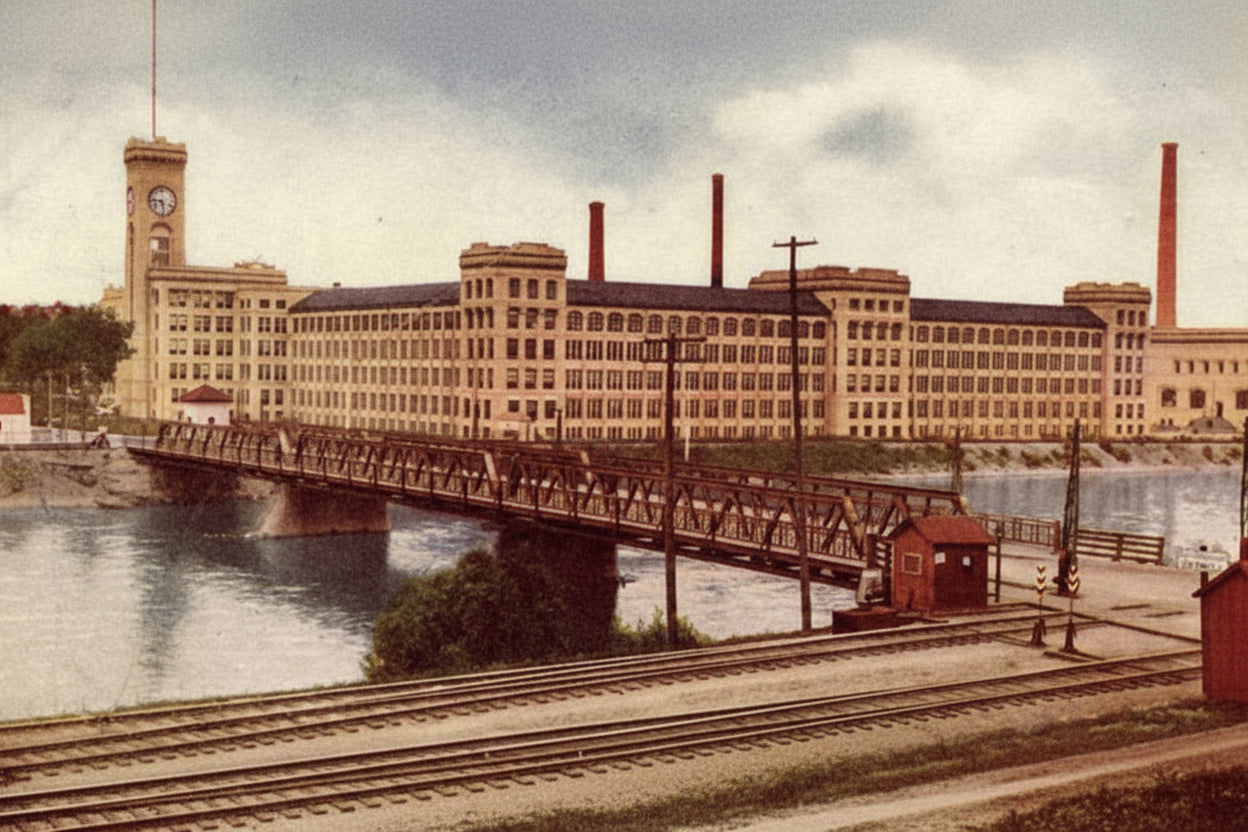
Why Elgin Matters
For more than a century, Elgin, Illinois stood at the center of American watchmaking. At its height, the city was home to one of the largest watch manufacturing operations in the world, producing millions of timepieces that travelled across the United States and far beyond its borders.
What began as a small industrial venture grew into a defining part of the city’s identity. Generations of skilled workers built watches that powered railroads, guided soldiers, and helped ordinary people keep time in an increasingly modern world.
Today, much of that industry has disappeared. Yet the story of Elgin remains one of the most important chapters in the history of American watchmaking.
The Rise of American Watchmaking
During the nineteenth century, the United States emerged as a leader in industrial watch production. While European watchmaking had long been rooted in small workshops and artisanal craftsmanship, American manufacturers began developing new production techniques that allowed watches to be built with greater precision and efficiency.
Factories introduced standardized components, advanced machinery, and systematic quality control. These innovations made it possible to produce reliable timepieces on a scale that had never been seen before.
American watch companies quickly became known for their engineering ingenuity and manufacturing discipline. Among them, one name would become particularly influential.
The Elgin National Watch Company
Founded in 1864, the Elgin National Watch Company quickly established itself as one of the most important watch manufacturers in the United States. The company built a large factory along the Fox River and began producing pocket watches that would soon gain a reputation for reliability and precision.
Over the decades that followed, the scale of production grew dramatically. Millions of watches left the Elgin factory, supplying railroads, businesses, and individuals across the country.
Railroad timekeeping in particular depended on accurate and dependable watches. Conductors and engineers relied on these instruments to maintain precise schedules and ensure the safe movement of trains across expanding rail networks. Watches produced in Elgin played an essential role in this system, helping synchronize an increasingly connected nation.
By the early twentieth century, Elgin had become synonymous with American watchmaking. The factory employed thousands of workers, and watch production was woven deeply into the fabric of the city.
A Community Built Around Craft
The watch industry in Elgin was not simply a factory operation. It represented a complex ecosystem of skills and trades.
Machinists, toolmakers, engravers, technicians, and watchmakers all contributed to the production process. Precision components had to be manufactured, finished, assembled, and carefully adjusted to ensure accurate timekeeping.
Entire careers were built around this work. Families passed down mechanical skills from one generation to the next. The factory became both an economic engine and a point of pride for the community.
For many residents, watchmaking was not just employment. It was a craft.
The End of an Era
Like many industries, American watchmaking eventually faced powerful global changes. Competition from overseas manufacturers, shifts in technology, and evolving economic conditions gradually reshaped the landscape.
By the mid-twentieth century, the dominance of American watch production had begun to decline. The Elgin factory eventually closed, bringing an end to more than a century of manufacturing that had defined the city.
What remained was a remarkable legacy. Millions of Elgin watches still exist today, many of them still running after decades of use. They serve as small mechanical reminders of the people and craftsmanship that once powered an entire industry.
Why the Story Still Matters
The story of Elgin is about more than watches. It is about ingenuity, industry, and the pride that comes from building something with care and precision.
In many ways, it represents a broader chapter in American manufacturing history. Cities like Elgin once thrived on skilled craftsmanship and mechanical innovation, creating products that travelled around the world.
While the factories may no longer operate as they once did, the legacy of that work still resonates.
For those who appreciate mechanical watches today, the story of Elgin remains an important part of understanding how the craft evolved.
A New Chapter
Nexus Elgin was inspired by this history.
Rather than trying to recreate the past, the goal is to build something new. A modern watch brand shaped by the spirit of craftsmanship that once defined Elgin.
The Revival Edition represents the first step in that journey. A watch designed for today, but inspired by a place where watchmaking once played a central role in everyday life.
Every revival begins somewhere.
Join the Revival
Nexus Elgin is preparing to launch the Revival Edition in Summer 2026.
Join the early access list to follow the project and receive updates as the brand continues to take shape.